
SEWAGE
PFAS
PERSISTENT COMPOUNDS
MICRO PLASTICS
ACID ROCK AND
INDUSTRIAL
DRAINAGE
SEWAGE
PFAS
PERSISTENT COMPOUNDS
MICRO PLASTICS
ACID ROCK AND
INDUSTRIAL
DRAINAGE
Green Shadows’ processes are exciting entries into the field of industrial effluent waste treatment.
The GS process is capable of dealing with widely varying flow rates, quality, and contaminant levels and types, while providing management teams with regulatory compliance. At the same time, sludges created by the precipitated minerals are in a safe form for disposal.
The cost of disposal is comparable to lime plants, at $475/TOA. Traditional lime-based methods continue to leave a legacy of unstable sludge. Our technology sees closure deference issues and costs avoided.
Industrial wastewater & leachates
Contaminated lands remediation
Oil and gas extraction and refining
Organic wastes
Mining & minerals processing
Innovation
THE GS
DESIGN
PHILOSOPHY
- Outcome is paramount. Never lose site of the required outcome.
- When industry methods produce results they always have, doing what they’ve always done, but fail to meet the required outcome, be prepared to look outside of the industry for method and outcome.

Ozofractionative Catalysed Reagent Addition (OCRA)
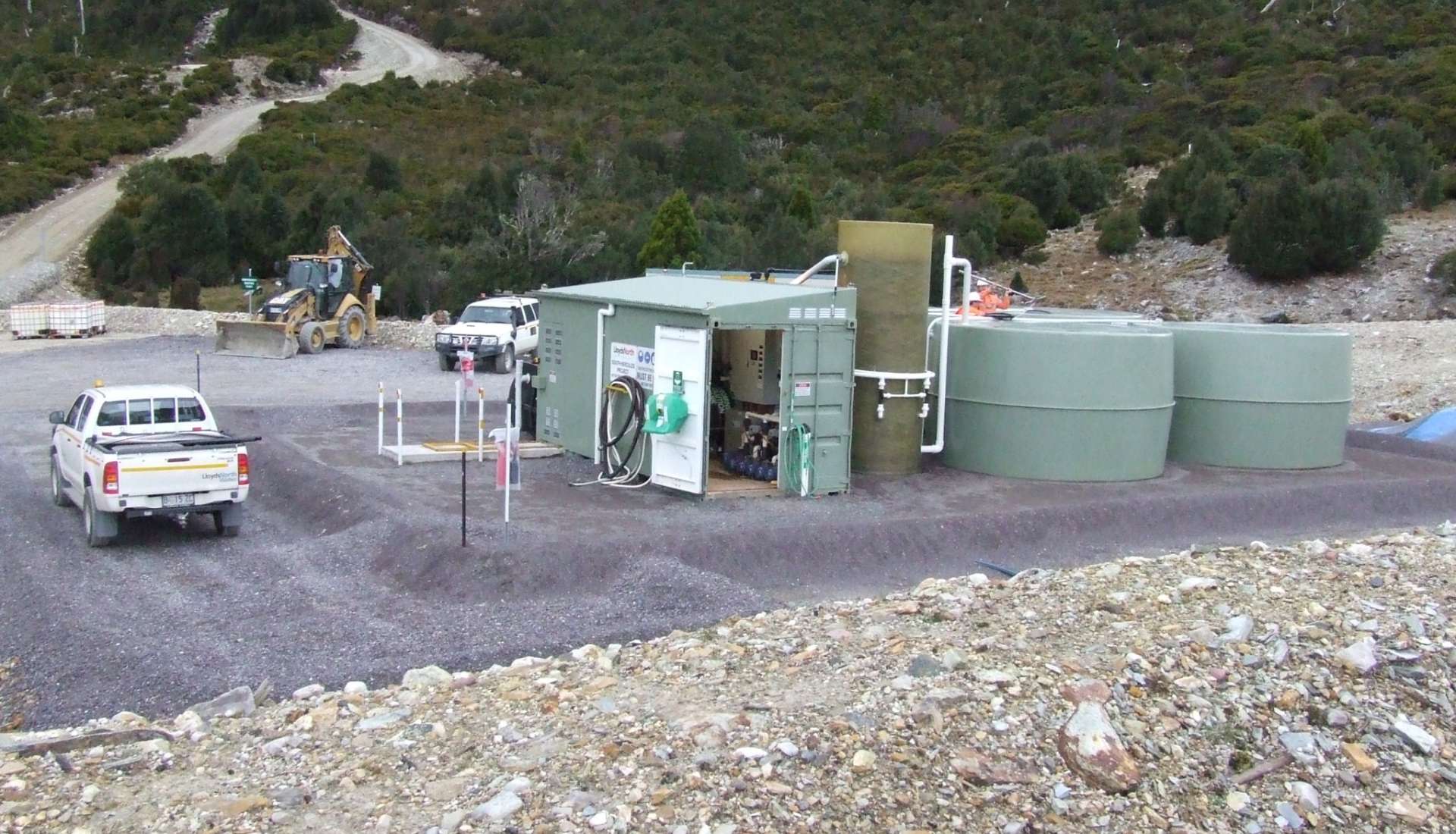
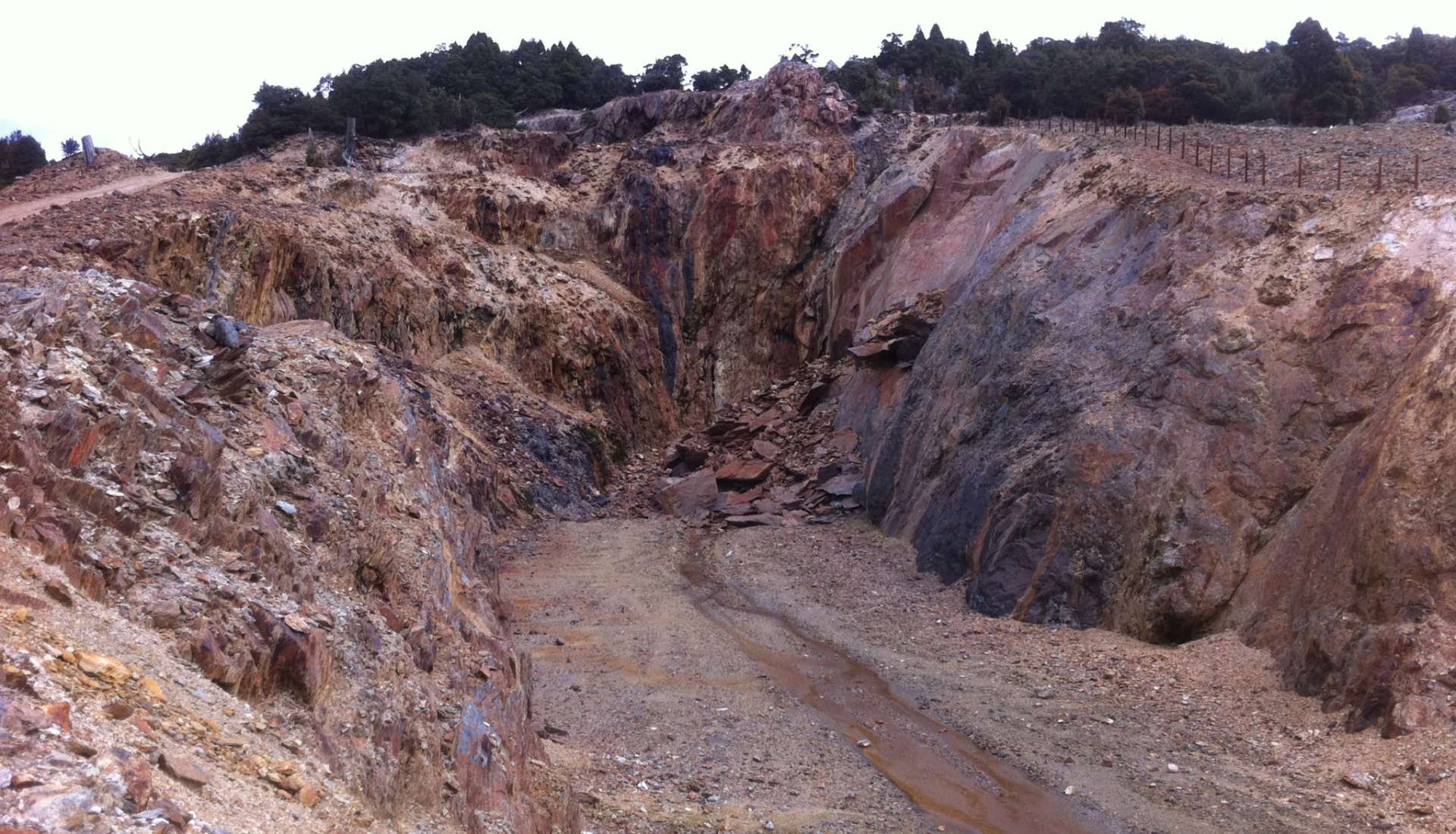
Our inventions have direct and successful experience in the removal of PFAS from contaminated industrial and domestic sewage utilising Ozofractionative Catalysed Reagent Addition (OCRA). OCRA was invented for and deployed to treat Acid Mine Drainage (AMD) in Tasmania, and subsequently found to be extremely effective for PFAS, plastics and other persistent compounds. In all cases, OCRA has demonstrated high performance compliance with reduced operational costs compared to traditional treatment methods.
Ozofractionation, the key component of the OCRA process, has previously been utilised in designs for onsite aerated wastewater treatment systems by Green Shadows and commercialised by Wet Innovations.
While the primary purpose of OCRA has been to leverage the operational and cost benefits of utilising OCRA to treat AMD and PFAS, the Ozofractionation component of OCRA has consistently demonstrated beneficial effect on the biological remediation efficiency of sewage treatment. Modelling indicates performance gains for sewage treatment of better than 60% after pre-treatment, with Ozofractionation offering significant savings in Capex and Opex for sewage treatment plants, and dramatically improving effluent quality.
Ozofractionation at sewage treatment plants improves performance for existing installations and reduces the cost of new sewage treatment assets, providing opportunity for effluents to be utilised as industrial use such as hydrogen feed stock and allowing for compliance with evolving EPC compliance regulations in the future.